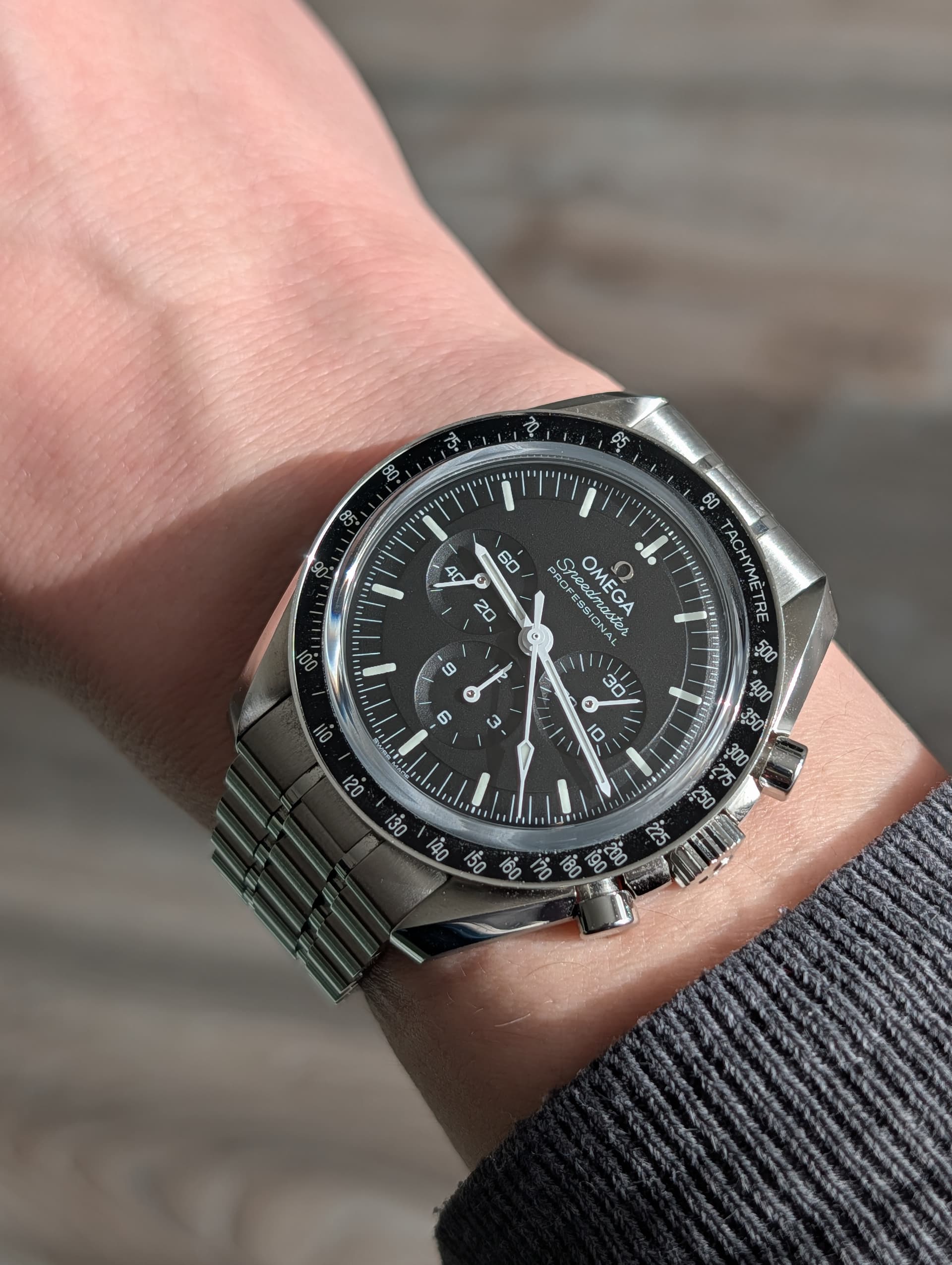
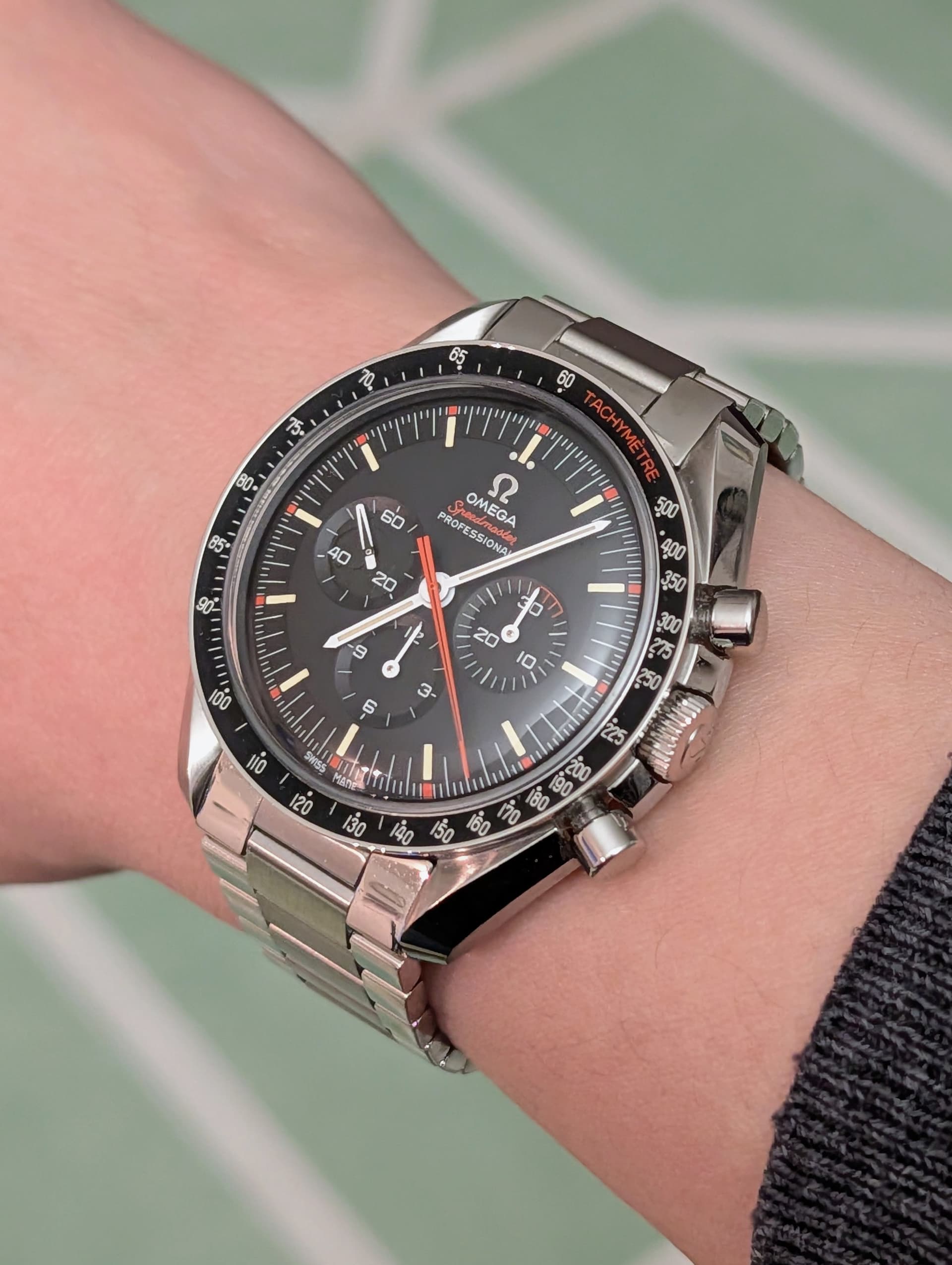
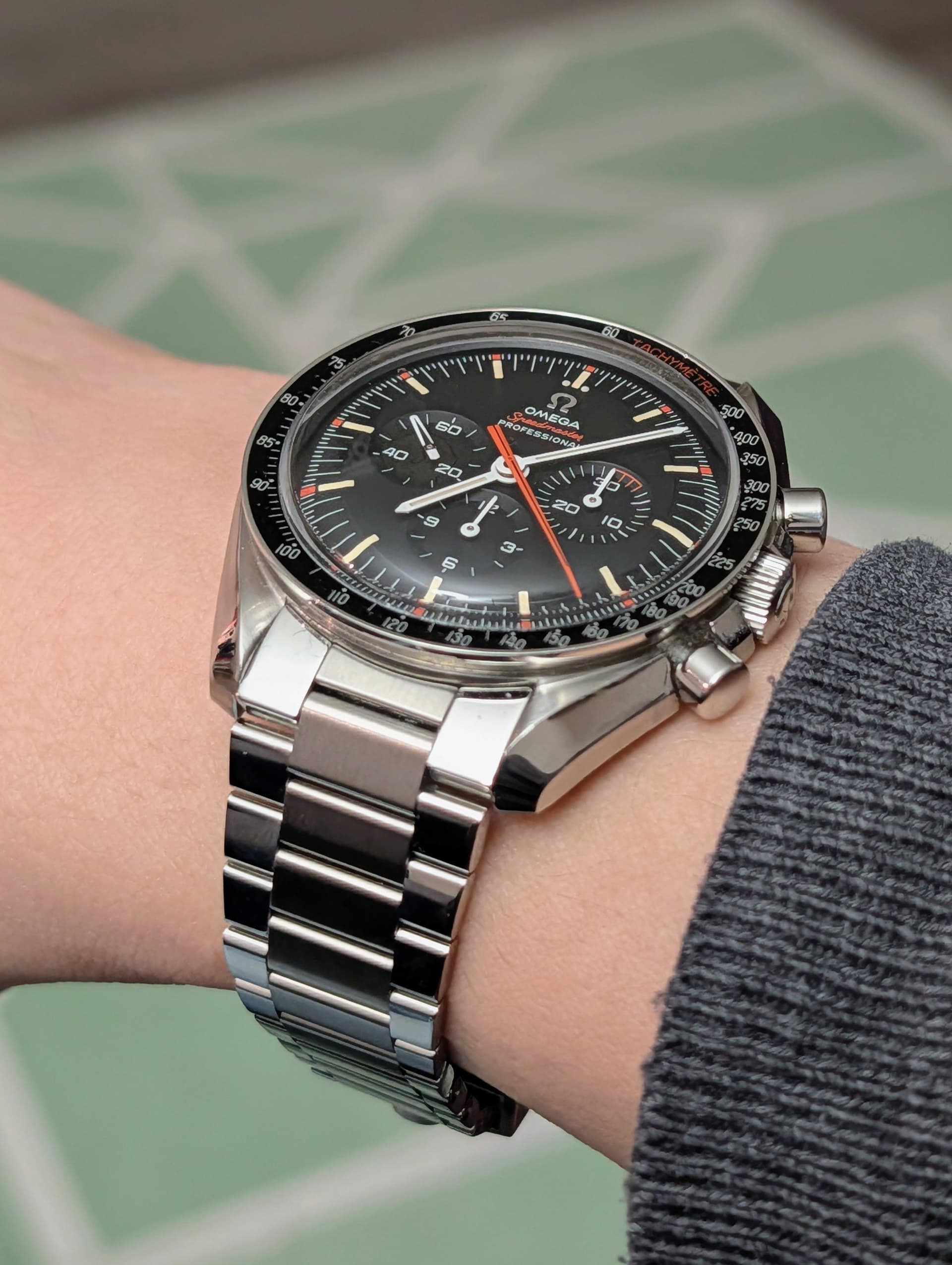
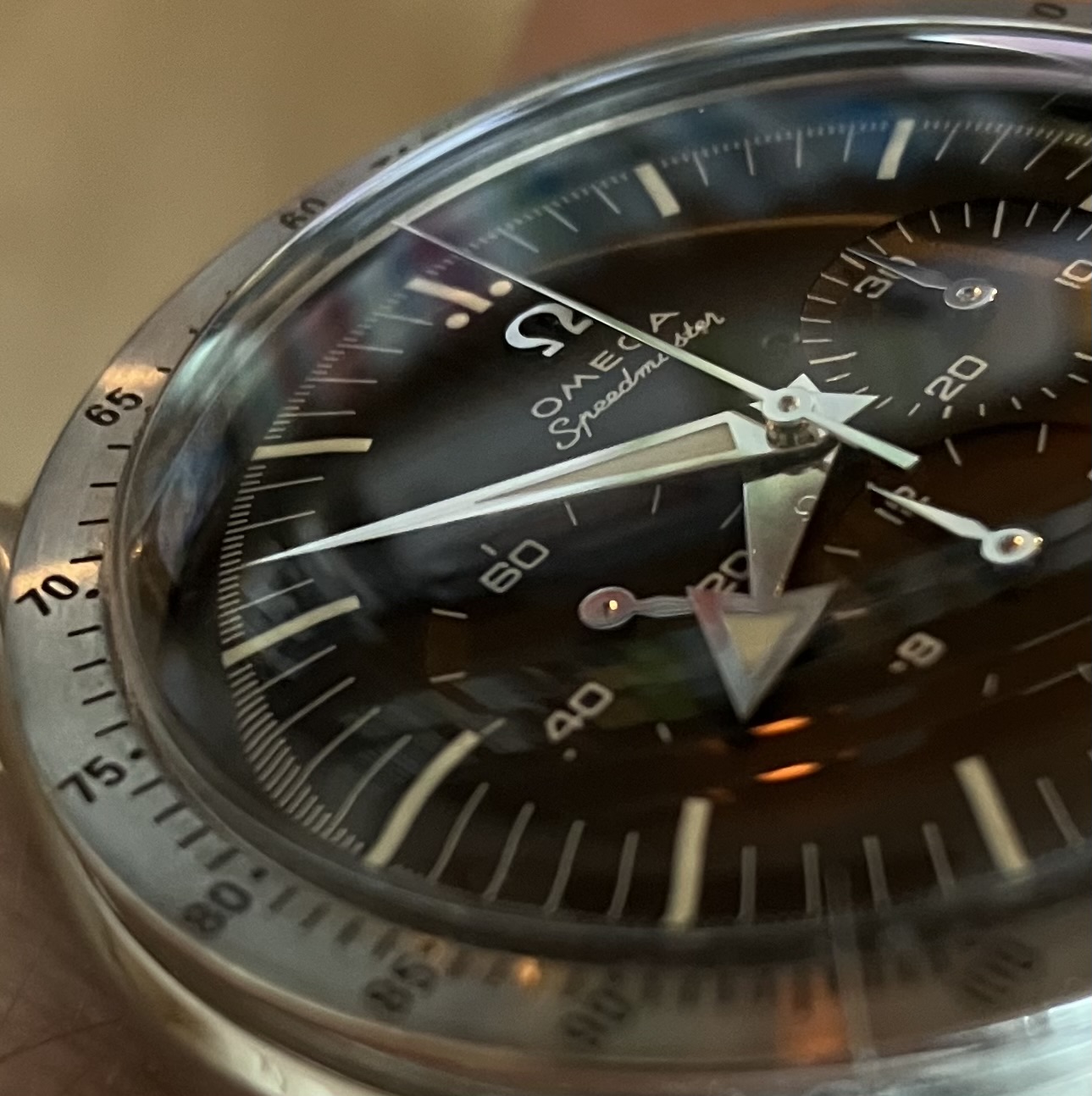
Chrono in de Ultraman stand.
Goed gespot  Ultraman is nu aan het uitrusten

Of zoals eerder gemeld een servicedial
Prachtig horloge en een prachtige foto. Wens je alvast een fijn bezoek aan W&W!
Maar dan zouden die service dials dus én tritium lume moeten hebben én tot het einde lopen, zonder stepped dial. Ik ben die voorbeelden online gewoon nog niet tegengekomen. Misschien heeft iemand custom lopen knutselen.
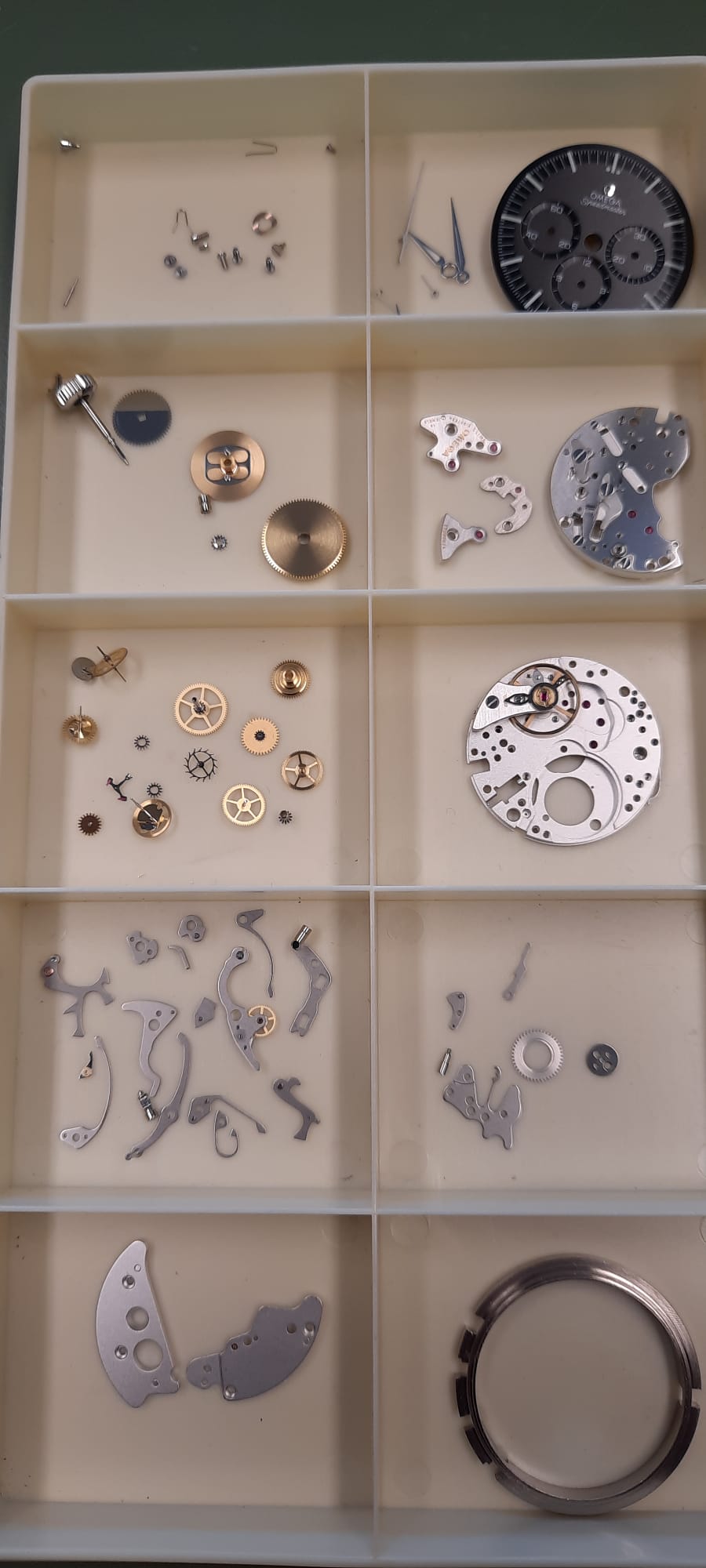
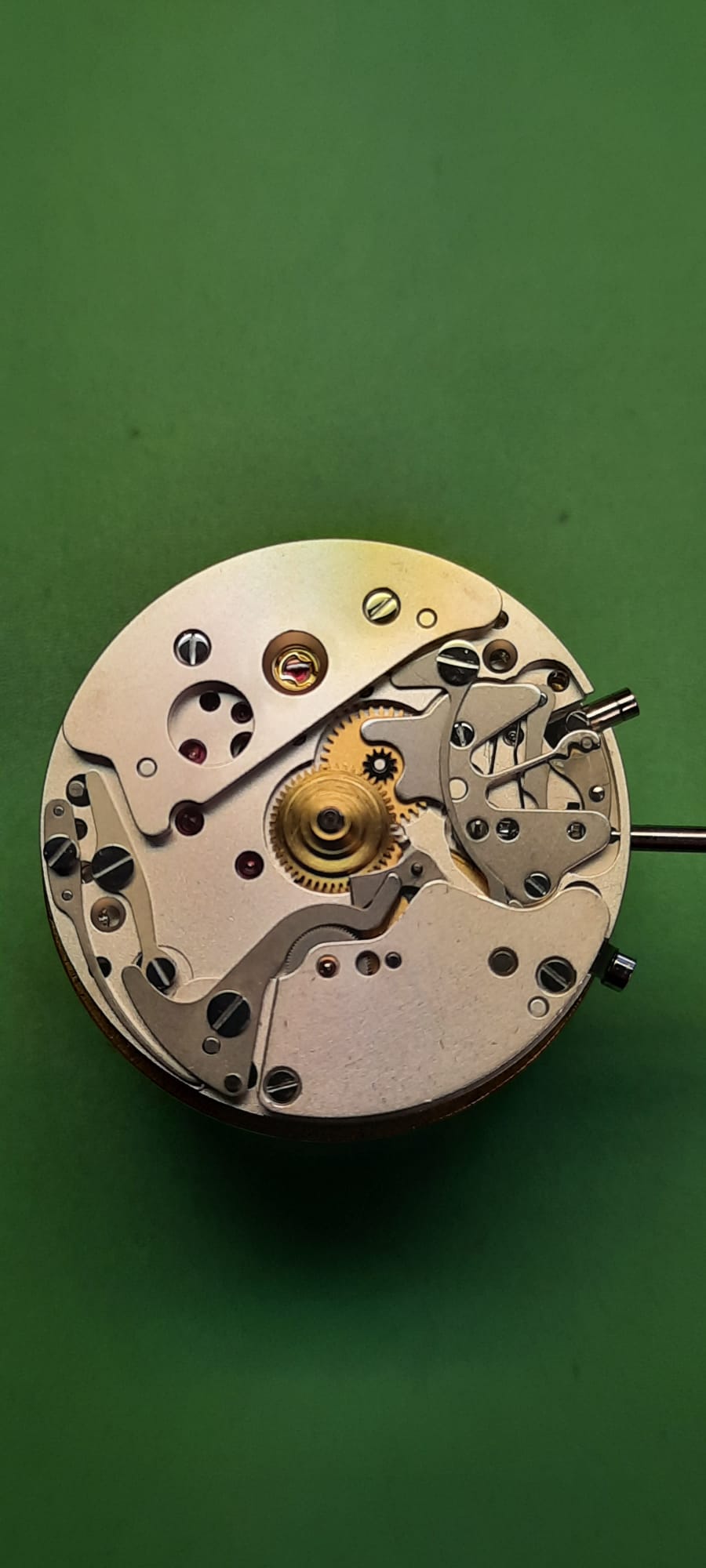
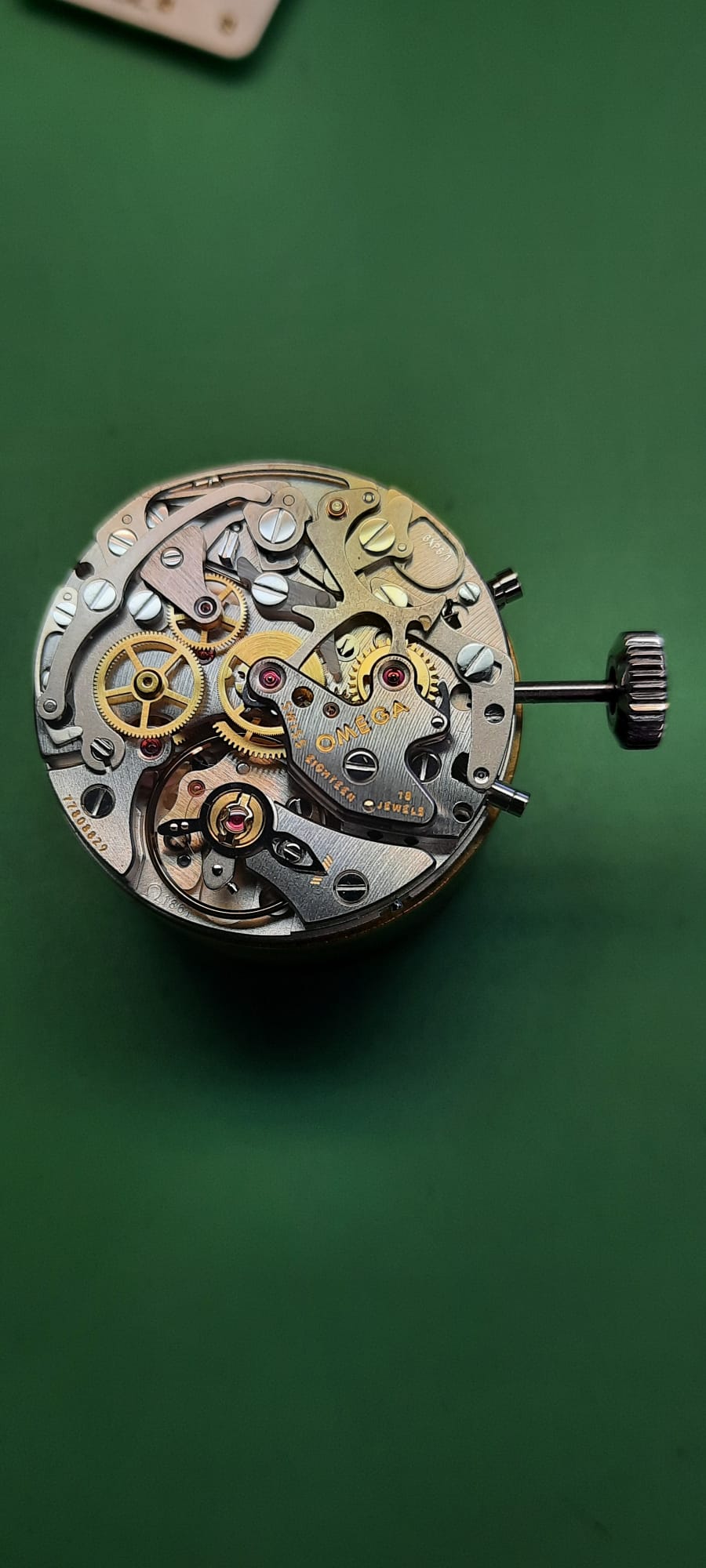

Dat is helaas een misvatting.
De reden dat veel van deze modellen juist een servicedial hebben is dat Omega bij een servicebeurt de Tritium dials er uit haalden en er een generieke servicedial voor in de plaats monteerden.
Ook werden meestal de wijzers vervangen voor generieke wijzers zonder Radium/Tritium.
Om deze reden stuurden veel echte liefhebbers hun speedy niet meer in voor service maar deden dit liever “lokaal” omdat Omega de originele dial en/of wijzers ook niet meer terugstuurde.
Dit is dus ook de reden dat originele parts als wijzers en wijzerplaten zo ontzetten duur zijn.
Ik ben het eens met wat mij schrijft, maar snap niet hoe dat verband houdt met mijn eerdere bericht.
Waar op neerkomt: heeft Omega ooit servicedials gemaakt met tritium lumed markers die tot het einde lopen maar zonder stepped dial profiel? Ik heb deze voorbeelden dus nog niet online kunnen vinden. Zo niet, dan haalt dat de theorie dat we een service dial zien bij deze Frankwatch onderuit.

Dat lijkt hem te zijn! Hoe kom je aan deze afbeelding? Is dit inderdaad een service dial? Gekoppeld aan wel ref nummer?
Hoewel de tritium lume op de Frankenwatch er erg modern en smooth uit ziet terwijl deze service dial de tritium lume het karakteristieke korrelige heeft (en niet erg vergeeld).
Op OF een draadje gevonden:
Holy shit. Dat lijkt het antwoord te zijn:
Service dial for caliber 321, painted logo and luminova indexes. (ref. PP2001/001) The feet are incompatible with the caliber 861. it will allow you to resurrect a speedmaster whose original dial has lost its life.
Rekening houdend met wat variabiliteit in hoe lume wordt aangebracht en hoe het vergeelt over de tijd, is dit het meest sluitende antwoord voor waar de dial vandaan komt. Ontzettend bedankt @YY77
Blijft wel een mooie dial  kom je niet vaak tegen zo
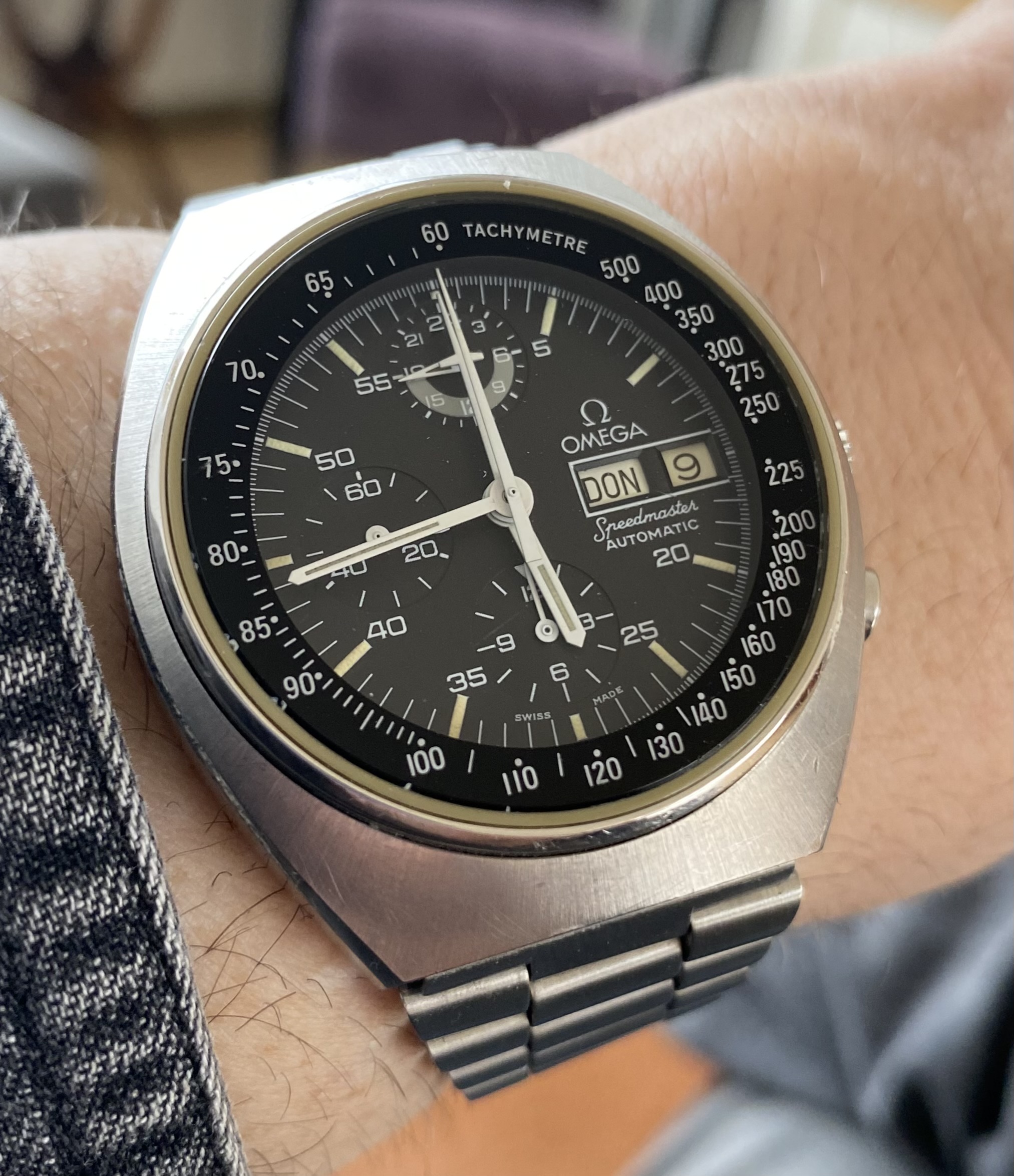
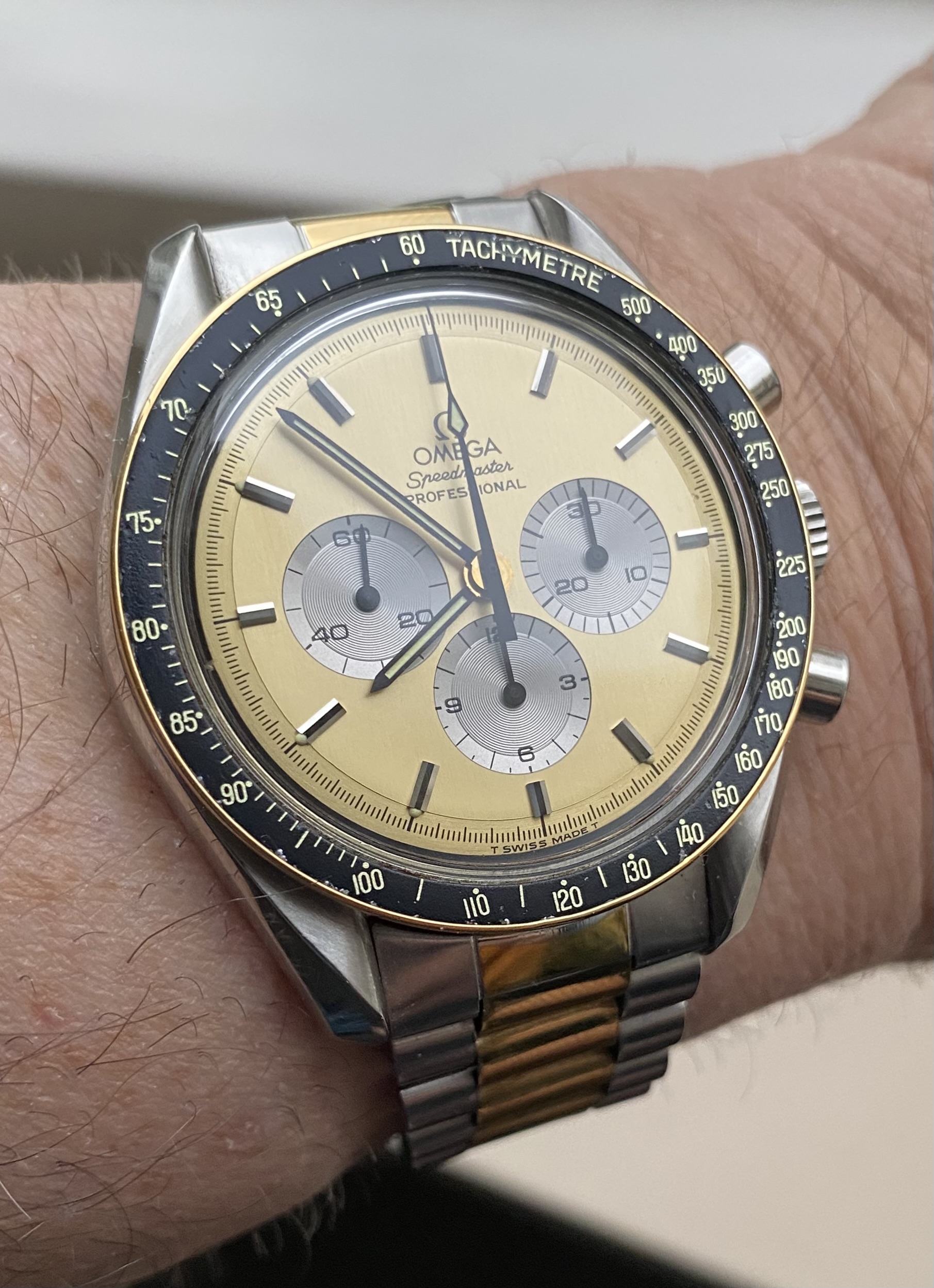
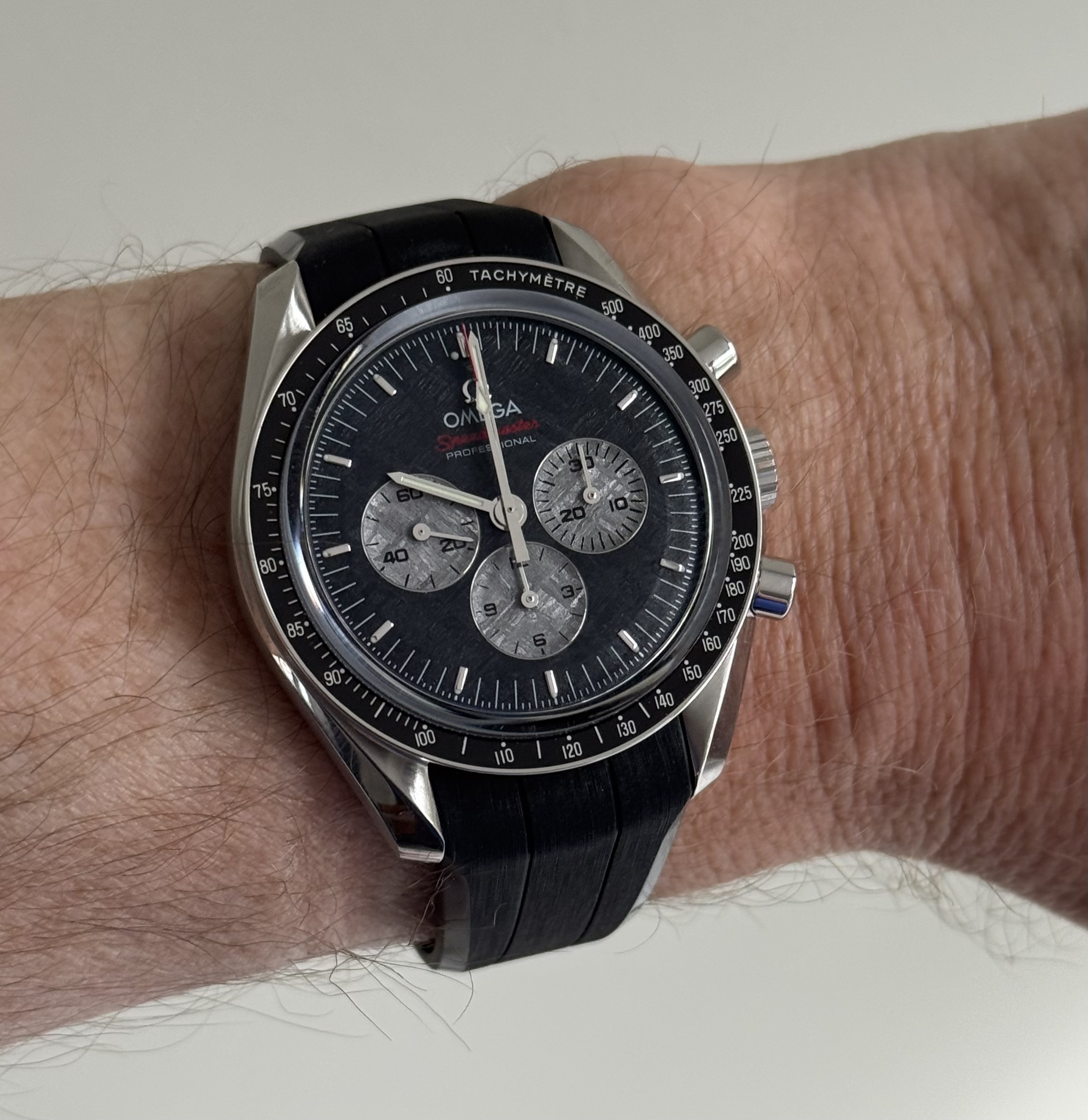
Ja dit is een mooie combi; maakt m ook sportief. Heerlijk voor het voorjaar. Wat vind je van de wijzerplaat met meteoriet? Ik zag hem een keer bij een autodealer om z’n pols en ik kreeg een soort optische illusie waarbij het leek alsof het crystal flink gekrast was. Hoe is dat voor jou? Ik vind hem mooi.